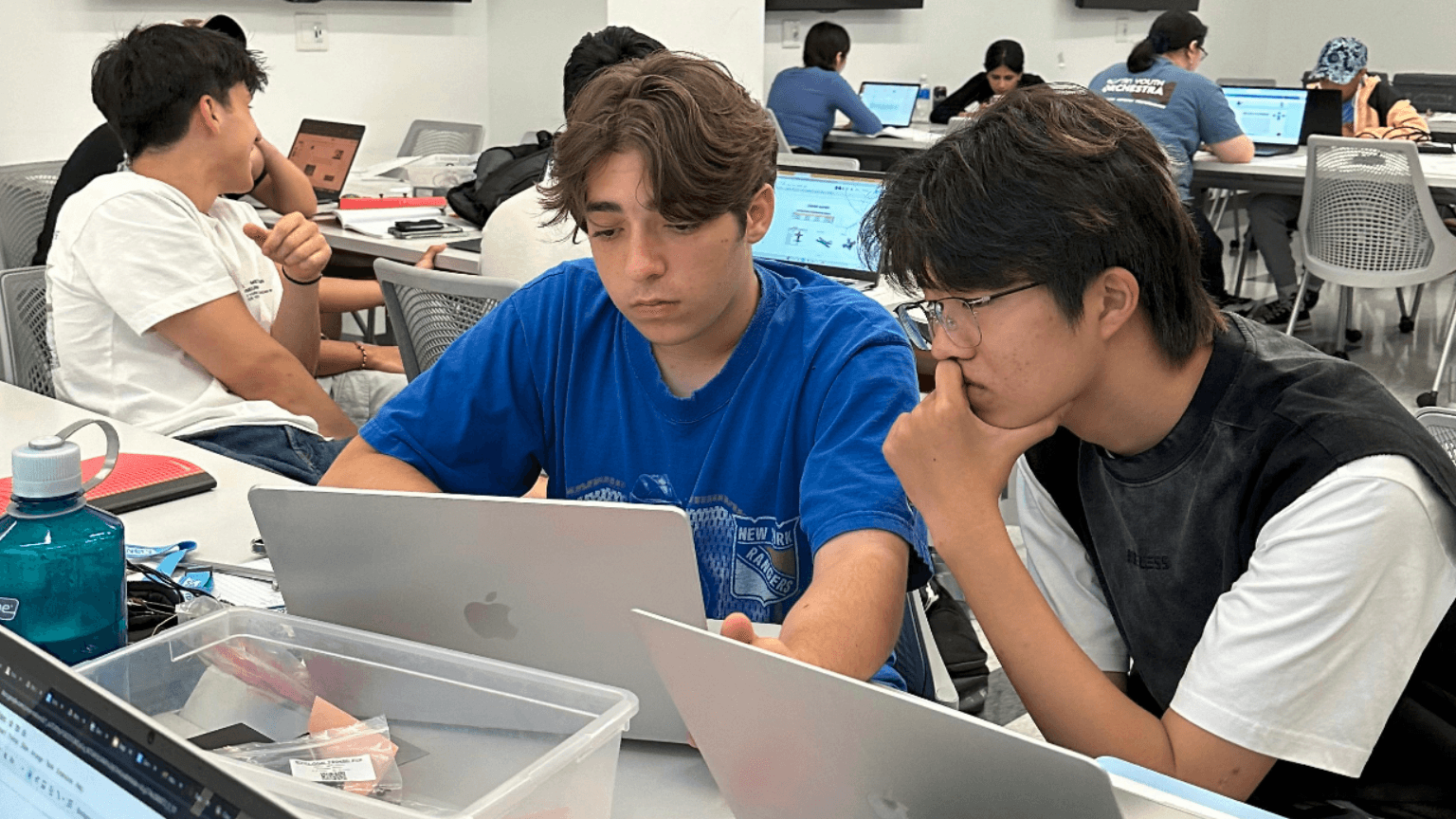
Explore how machine learning tools are used to analyze and interpret complex medical data.
Instructor:
Course Description
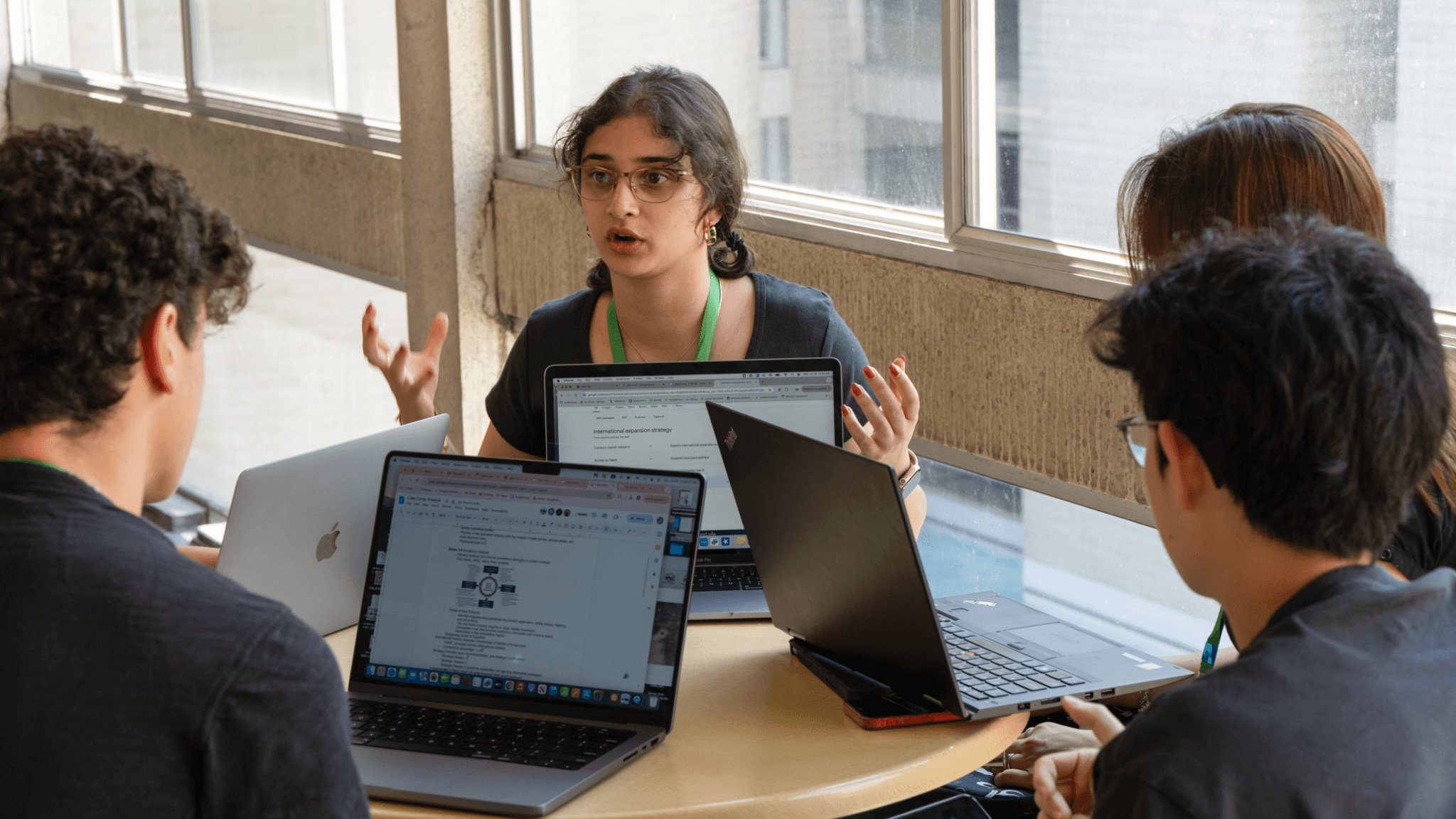
This course offers a thorough introduction to core machine learning methods and techniques, with a focus on applications in the healthcare and biomedical domains. Students will explore foundational concepts in computer vision, natural language processing (NLP), and deep learning, and learn how these tools are used to analyze and interpret complex medical data. The primary objective of the course is to equip students with the theoretical background and practical skills necessary to apply machine learning techniques to real-world problems. Through guided assignments and project-based learning, students will gain hands-on experience developing models for tasks such as medical image classification and clinical text analysis. The course will also address key ethical considerations in the use of AI in medicine, including fairness, transparency, and data privacy.
Learning Outcomes
Upon completing this course, students will:
Tangible Outcomes
Hands-on Activities
Guest Speakers
Field Trips
Information is subject to change as instructors finalize course content and syllabi.
Instructor Bio
Tanmay Shukla is a Technical Program Manager at the Center for Precision Health and Artificial Intelligence at the Geisel School of Medicine, Dartmouth. He applies advanced AI technologies, including computer vision and large language models (LLMs), to revolutionize healthcare diagnostics and outcomes. His recent projects include developing Vision Transformer models for classifying inflammatory bowel disease severity, conducting survival analysis for breast cancer using MRI data, and classifying renal cell carcinoma grades from CT scans. Tanmay's work integrates cutting-edge AI methodologies with medical data, driving advancements in personalized medicine and improving clinical decision-making. In addition to his professional work, Tanmay mentors aspiring data scientists globally as an IBM Z Student Ambassador and Kaggle Master. He leads mentoring sessions to promote best practices in AI development and application. At Mars Rover Manipal, Asia's top-ranked team at the University Rover Challenge, he trained over 80 students, building their skills in AI and robotics for international competitions.
Tanmay holds an MS in Quantitative Biomedical Sciences, specializing in Health Data Science, from Dartmouth College and a BTech in Electronics & Communication Engineering from Manipal Institute of Technology. He has also completed advanced studies in machine learning at Imperial College London and the National University of Singapore.
![[object Object]](/_next/image?url=https%3A%2F%2Fassets.summerdiscovery.com%2FdynamicPage%2Fcourse%2Fcourse%2FcardImage%2F1737671564703_88.png&w=48&q=75)
Course Syllabus
To view a sample syllabus, please contact your program specialist, or reach us at info@summerdiscovery.com or call +1 (516) 447-4907.
![[object Object]](/_next/image?url=https%3A%2F%2Fassets.summerdiscovery.com%2FdynamicPage%2Fcourse%2Fcourse%2FcardImage%2F1737667949979_5.png&w=48&q=75)
Admissions Criteria
An interest in the intersection of medicine and computer science is the key to success in this program! Additionally, your application criteria include:
![[object Object]](/_next/image?url=https%3A%2F%2Fassets.summerdiscovery.com%2FdynamicPage%2Fcourse%2Fcourse%2FcardImage%2F1737671679325_63.png&w=48&q=75)
Who should attend this course?
Aspiring computer scientists, this is a start to your successful academic and professional career. This course will introduce you to fundamentals that will advance your understanding of this field and help you determine whether a professional track at the forefront of innovations in medicine and technology is right for you.
![[object Object]](/_next/image?url=https%3A%2F%2Fassets.summerdiscovery.com%2FdynamicPage%2Fcourse%2Fcourse%2FcardImage%2F1737668096457_85.png&w=48&q=75)
Benefits of Attending this Course
In addition to a university-level course experience, students will leave this course and the Dartmouth Summer Scholars program with portfolio-building documentation in recognition of their summer achievements, including:
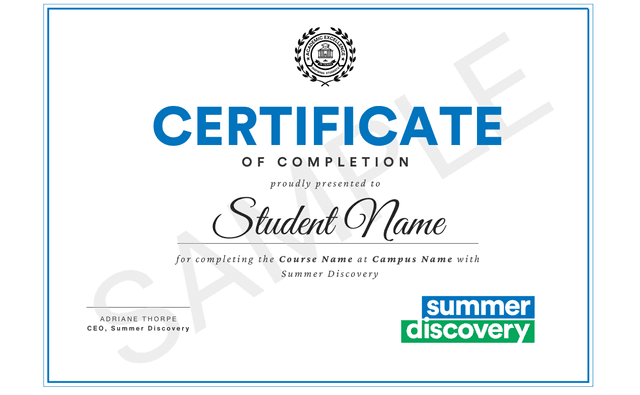
Summer Discovery Certificate of Completion
After successfully finishing this course, you will be awarded a certification completion for your accomplishment.
*This is a preview, not what you will receive
Dartmouth
Dartmouth
Dartmouth
Dartmouth